
How an ALTA Survey Helps Buyers Navigate Properties Shaped by Decades of Port and Industrial Activity
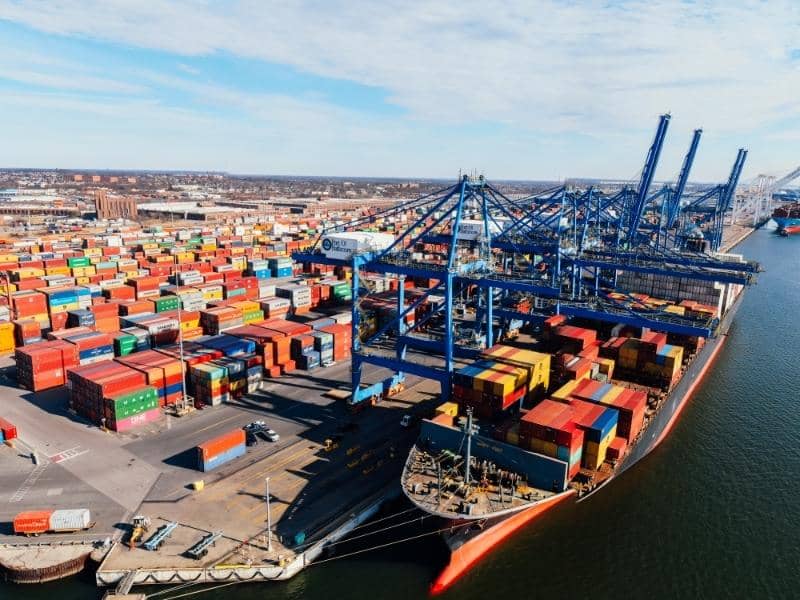
Some properties carry more history than others. Sites near ports, rail lines, and distribution centers have been working properties for a long time, and that work leaves marks. Paved yards that served a shipping operation twenty years ago are still there. Access lanes built for freight trucks don’t just disappear when the original tenant moves out. Buyers who walk one of these sites for the first time are really walking through several different eras of use at once, and sorting out what that means for their plans takes more than a basic walkthrough. An ALTA survey gives buyers a clear documented picture of what the site actually holds before any serious decisions get made.
Why Port-Influenced Properties Often Reflect Generations of Transportation Changes
Freight patterns change over time. Rail dominated for decades, then trucking took over large portions of that volume, then intermodal shipping changed the picture again. Properties near ports and rail corridors adapted to each of those shifts, and the physical evidence of those adaptations tends to stick around long after the industry moved on.
A site that started as a rail-served warehouse might have added truck docks in the 1970s, expanded its paved yard in the 1990s, and gone through two or three ownership changes since then. Each phase added something to the site, and not all of it got removed when the next owner arrived. An ALTA survey records what exists on the ground today, pulling together the full picture of what those years of change left behind. For a buyer trying to figure out what they’re actually purchasing, that documented record is a much more reliable starting point than a property listing or a conversation with the current owner.
How Former Loading Areas and Service Yards Continue to Shape Modern Property Layouts
Heavy paving doesn’t go away on its own. Concrete yards built to handle forklifts and loaded trailers can last for decades, and they tend to define how a site gets used long after the original operation is gone. The same goes for service lanes, staging areas, weigh stations, and covered loading bays. These features were built to handle serious industrial activity, which means they were built to last.
When a buyer looks at a site like this, those old improvements are still shaping what’s possible. A large paved yard that takes up half the property affects where new buildings can go, how drainage needs to be managed, and what demolition costs might look like if the buyer wants to change the layout. An ALTA survey documents all of those existing improvements with enough detail that the project team can make real decisions about what to keep, what to work around, and what to budget for removing.
Why Access Patterns Created for Trucks and Freight Traffic Still Matter to New Owners
Industrial sites were built around movement. Trucks needed room to turn. Trailers needed space to back into docks. Circulation paths were wide and direct because slowing down freight cost money. That design logic produced access patterns that look very different from what a retail center or office park would have.
Those patterns don’t automatically fit a new use just because the site changed hands. A buyer planning a different kind of operation needs to know where the current entrances sit, how the drive aisles run through the property, and whether the existing circulation setup works for their needs or creates problems. An ALTA survey maps out those access conditions clearly. Some buyers find the existing truck-scale access is actually useful for their plans. Others find it needs significant changes. Either way, knowing what’s there before design work starts saves time and money compared to finding out mid-project.
How an ALTA Survey Helps Buyers Evaluate Properties That Grew in Stages Over Time
Industrial properties rarely got built all at once. A core building went up first, then a warehouse addition came later, then a detached shop building appeared, then a fuel island, then more paving. Each expansion made sense at the time, but the result is a property that reflects multiple different decisions made across multiple different decades by multiple different owners.
Trying to understand a site like that from the outside is difficult. The improvements don’t always look connected because they weren’t planned as a single project. Here’s what tends to accumulate on industrial properties that grew in stages over time:
- Buildings and additions constructed during different periods with different materials and standards
- Paved areas that expanded gradually without a unified grading or drainage plan
- Utility connections added at different points that may not all be clearly documented
- Fencing, gates, and security features installed by different owners for different reasons
An ALTA survey brings all of that together into one current record. Buyers get a complete snapshot of what the property holds today instead of trying to piece together the history from incomplete files and old drawings.
Why Understanding the Surrounding Infrastructure Is Just as Important as Understanding the Site
An industrial property doesn’t exist by itself. What sits around it matters just as much as what’s on it. A rail spur running along the back edge of the property affects how the site can be used and what it might be worth to certain buyers. A port facility nearby creates both opportunity and constraints depending on what the new owner has in mind. Warehouse and distribution centers clustered in the same area shape traffic patterns, zoning expectations, and long-term land values.
An ALTA survey documents the site itself, but it also captures how that site connects to what’s around it. Access points that tie into shared roads or rail crossings show up in the survey. Features along the property boundary that relate to neighboring port or industrial operations get recorded. For a buyer evaluating whether a site fits their plans, that surrounding context is part of the answer. A property that looks limited on its own might make a lot more sense once the buyer understands how it sits within a larger industrial area, and an ALTA survey helps provide that broader picture.
Frequently Asked Questions
Why are port and industrial properties different from other commercial sites?
They tend to hold decades worth of improvements tied to freight, shipping, and industrial operations that changed over time, leaving behind a mix of features that other property types don’t typically have.
What does an ALTA survey show on an industrial property?
It records existing improvements, access conditions, and physical site features that help buyers understand what they’re purchasing before plans are drawn or money is committed.
Can an ALTA survey help evaluate older freight and warehouse sites?
Yes. It captures current site conditions in enough detail that buyers and their teams can assess what’s there, what it affects, and what it means for future plans.
Who typically orders an ALTA survey for industrial properties?
Buyers, developers, lenders, attorneys, title companies, and investors all request ALTA surveys when industrial properties change hands or move toward redevelopment.
Does an ALTA survey only focus on buildings?
No. It covers the full property, including access patterns, paved areas, surrounding features, and other improvements that affect how the site functions and what it can support going forward.